


Source: Rac1 by Joan Torras, 4.3.2026 https://www.rac1.cat/internacional/20260304/329225/hossein-zoghi-periodista-irania-exiliat-catalunya-govern-iran-avisa-ciutadans-bombardejos-morin-propaganda-versio.html
Automated text translation:
Hossein Zoghi, Iranian journalist exiled in Catalonia:
“The Iranian government does not warn citizens about the bombings because it wants people to die and then use it as propaganda.”
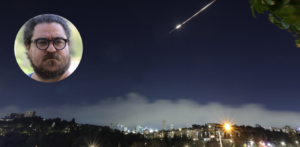
The Tehran-based actor and theater director compares Iranians’ relationship with their government to a divorce: “Most people no longer want the ayatollahs.”
By Joan Torras
March 4, 2026 — 18:33
Updated March 4, 2026 — 19:35
“The government of the ayatollahs wants people to die so it can present the war as propaganda. That’s why it does not warn the population with any kind of alert when Israeli and U.S. bombings arrive. That is the worst thing about this government in Iran.”
This was one of the blunt statements made on the radio program Versió RAC1, hosted by Toni Clapés, by Iranian journalist, theater director, and actor Hossein Zoghi, who fled the country because of repression by the regime. For now, he has taken refuge in Catalonia.
Only four months ago he arrived in Barcelona thanks to the work of an NGO called Artists at Risk, and he now lives in Ribes de Freser, in the Ripollès region.
He and his wife, the writer Mahsa Mohebali, decided to leave Iran after the government of the ayatollahs effectively banned them from working. Why? Because of their criticism of the regime through articles and interviews in newspapers and on television.
“We were under a lot of pressure, especially my wife, because she is a writer and all of her work was banned four years ago. The intelligence service of the Revolutionary Guard raided our apartment, arrested her, confiscated all our digital devices, and put us on trial. Finally, they revoked our passports for 20 years,” he explains.
Thanks to the NGO, they were able to obtain a visa to travel to Spain. However, this happened only after nine very difficult months:
“It is a very dangerous path, because suddenly the government can prevent you from leaving the country, but we were lucky.”
After nine months we obtained the visa to come to Spain, but it is a very dangerous path.
Hossein Zoghi
Iranian journalist, theater director, and actor
Zoghi explains that life in Iran right now is very difficult.
“They have cut off the internet again, and it is hard to find a way to speak with family from here. And if you manage it, everyone is afraid to say what they think because they fear phone surveillance,” he says.
Despite everything, he adds that people can still access food stores:
“Everyone stays at home and only goes out to buy the things necessary to survive.”
The journalist is convinced that the Iranian regime will eventually fall because he believes most of the population is against it.
“It’s like a divorce. They listen to no one and they care about no one. And most people no longer want them.”
Zoghi says people are tired of being told what to do in every aspect of life:
“They force you to dress how they say, to eat what they say; they tell you how to pray, how to speak, and they control your whole life. And the people of Iran are very joyful people and they don’t want to live like that anymore.”
“They force you to dress, pray, and speak as they say, and the people of Iran — who are very joyful — no longer want to do that.”
Hossein Zoghi
Iranian journalist, theater director, and actor
According to him, the darkest moment of this “divorce” occurred a few months ago, when the Islamic police killed thousands of defenseless civilians who were protesting in the streets.
“I’m sure the regime is on the verge of collapse. I don’t know whether it will happen in a few months or in a year, but it will happen,” he says with conviction.
What he does not know is what the country’s future will look like.
“Everything is very confusing. Some people are now calling for the death of all the men of the regime, but that is impossible; some want a monarchy; some want democracy and a republic. But the current system is on the brink of falling,” he concludes.
PRESS TEXT:
Hossein Zoghi, periodista iranià exiliat a Catalunya: “El govern de l’Iran no avisa els ciutadans dels bombardejos perquè vol que morin i fer-ne propaganda”
El també actor i director teatral de Teheran compara la relació dels iranians amb el seu govern amb la d’un divorci: “La majoria ja no vol els aiatol·làs”


Actualitzat:
“El govern dels aiatol·làs vol que mori gent per poder mostrar la guerra com a propaganda. Per això no avisa la població amb cap mena d’alerta quan arriben els bombardejos d’Israel i els Estats Units. És el pitjor d’aquest govern de l’Iran“.
És una de les declaracions contundents que ha fet al Versió RAC1 de Toni Clapés el periodista, director teatral i actor iranià Hossein Zoghi, que ha fugit del país arran de la repressió del règim. De moment, s’ha refugiat a Catalunya.

Fa només quatre mesos va arribar a Barcelona gràcies a la feina d’una ONG anomenada Artists at Risk (‘Artistes en risc’) i ara viu a Ribes de Freser, al Ripollès. Ell i la seva dona, Mahsa Mohebali, es van plantejar marxar de l’Iran després que el govern dels aiatol·làs els prohibís directament treballar. Per què? Doncs per la seva crítica al règim a través d’articles i entrevistes a diaris i televisions.
“Estàvem sota molta pressió, sobretot la meva dona, perquè ella és escriptora i tota la seva obra va quedar prohibida fa quatre anys. El servei d’intel·ligència de la Guàrdia Revolucionària va assaltar el nostre pis,va detenir-la, ens van confiscar tots els dispositius digitals i ens van processar. Finalment, ens van retirar els passaports durant 20 anys”, explica.

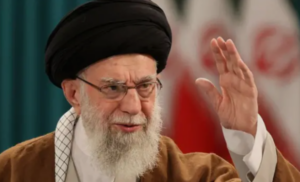
Alí Khamenei, el líder suprem de l’Iran des del 1989, va morir pels atacs d’Israel i els Estats Units. BBC
Gràcies a l’ONG van poder obtenir un visat per anar a Espanya. Això sí, va ser després de nou mesos en què van patir molt: “És un camí molt perillós, perquè de cop i volta el govern pot impedir-te sortir del país, però vam tenir sort”.
Després de nou mesos, vam obtenir el visat per venir a Espanya, però és un camí molt perillós
periodista, director teatral i actor iranià
Zaghi explica que la vida a l’Iran ara mateix és molt dura. “Han tornat a tallar internet i és difícil trobar la manera de parlar amb la família des d’aquí. I si ho aconsegueixes, tothom té por de dir què pensa perquè temen les escoltes telefòniques”, diu. Malgrat tot, afegeix que la gent té accés a les botigues d’aliments: “Tothom es queda a casa i només va a comprar les coses necessàries per viure”.
El periodista està convençut que el règim iranià acabarà caient perquè considera que la majoria de la població hi està en contra. “És com un divorci. No escolten ningú ni els importa ningú. I la majoria ja no els volen”.
Zaghi assegura que la gent està farta de rebre ordres sobre qualsevol qüestió: “T’obliguen a vestir com ells diuen, a menjar el que ells diuen; et diuen com resar, com parlar i controlen tota la teva vida. I el poble de l’Iran és gent molt alegre i no ho fa”.
T’obliguen a vestir, a resar i a parlar com ells i el poble de l’Iran, que és molt alegre, ja no vol fer-ho
periodista, director teatral i actor iranià
Segons ell, el punt més fosc d’aquest divorci va ser ara fa uns mesos, quan la policia islàmica va assassinar sense miraments milers de civils indefensos que protestaven als carrers.
“Estic segur que el règim és al límit de caure. No sé si serà d’aquí a uns mesos o al cap d’un any, però passarà”. N’està convençut. El que no té clar és quin serà el futur pel país. “Tot és molt confús; ara alguns demanen la mort de tots els homes del règim, però això és impossible; alguns volen monarquia; alguns, democràcia i república, però el sistema actual està al llindar de caure”, conclou.
